
Scoliosis Basics: Understanding A Complex Whole-Body Condition
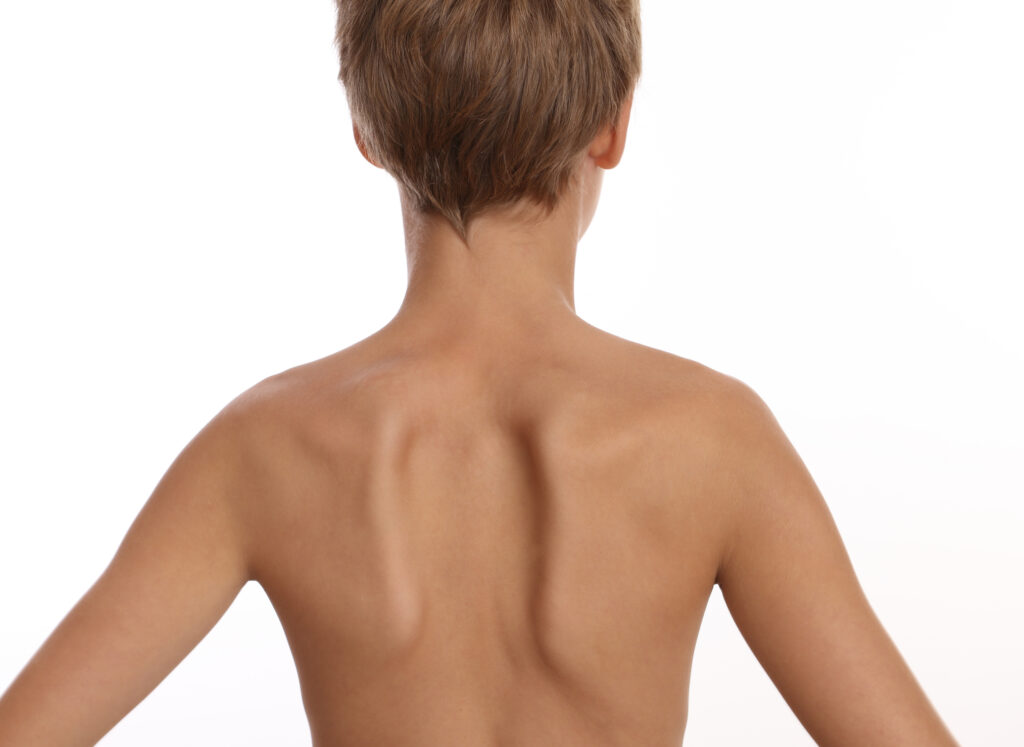
Scoliosis, a condition characterized by abnormal curvature of the spine, can be broadly classified into three general types: idiopathic scoliosis, congenital scoliosis, and neuromuscular scoliosis. Idiopathic scoliosis is the most common form, accounting for approximately 80% of cases, and its exact cause remains unknown. It typically manifests during adolescence and is more prevalent in females. Congenital scoliosis, on the other hand, is present at birth and results from vertebral abnormalities during fetal development. This type of scoliosis varies widely in its severity and can be associated with other congenital anomalies. Lastly, neuromuscular scoliosis develops as a secondary consequence of underlying neurological or muscular conditions, such as cerebral palsy or muscular dystrophy.
Understanding the distinctions among these three types of scoliosis is crucial for accurate diagnosis, appropriate treatment planning, and ensuring the best possible outcomes for patients.
Idiopathic Scoliosis
Neuromuscular Scoliosis
Congenital Scoliosis
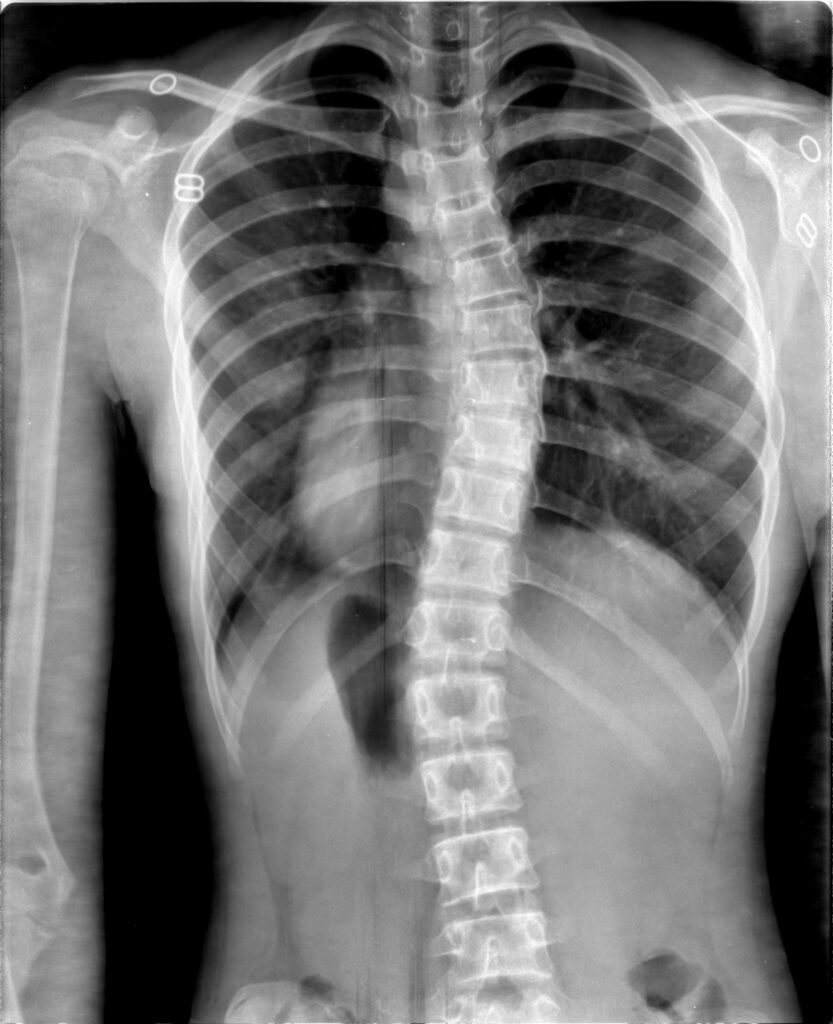

Idiopathic scoliosis is a type of spinal deformity characterized by an abnormal sideways curvature of the spine, typically without a known cause. The term “idiopathic” indicates that the specific underlying cause of the condition is unknown. It is the most common form of scoliosis, typically developing during childhood or adolescence. Idiopathic scoliosis can range in severity, and early detection is crucial for effective management and treatment.
Neuromuscular scoliosis is a type of scoliosis that occurs as a result of underlying neuromuscular or neurological conditions affecting muscle control and coordination. Conditions such as cerebral palsy, muscular dystrophy, spinal muscular atrophy, and spinal cord injuries can contribute to the development of neuromuscular scoliosis. The curvature tends to be progressive, and often requires a multidisciplinary approach, including medical management, physical therapy, bracing, and in some cases, surgical intervention, to improve spinal alignment and maintain optimal spinal health.
Congenital scoliosis is a type of scoliosis that occurs due to abnormal spinal development during fetal development in the womb. It is present at birth and is caused by malformations or irregularities in the formation of the vertebrae. These abnormalities can affect the shape, size, or segmentation of the vertebrae, leading to spinal curvature. Congenital scoliosis can vary in severity and location along the spine. It may be associated with other congenital abnormalities or syndromes. Early diagnosis and monitoring are essential to assess the progression of the curvature and determine the appropriate treatment approach.
Unlocking Hope and Freedom from Scoliosis: Discover the Transformative Power of the ScoliSMART Approach
Embarking on a journey to combat scoliosis can be daunting, but with the groundbreaking ScoliSMART treatment method, there is renewed hope for individuals facing this challenging condition. Whether it’s idiopathic, neuromuscular, or congenital scoliosis, Dr. Morningstar offers a personalized approach that caters to the unique needs of each patient, unleashing their potential for a life without limitations.
Imagine a treatment method tailored to your specific circumstances, empowering you to take control of your scoliosis journey. Dr. Morningstar recognizes that no two cases are alike, and customization is the key to success. Through advanced diagnostic techniques and a comprehensive understanding of scoliosis, the ScoliSMART team crafts a personalized treatment plan that considers the individual’s age, condition severity, and personal goals.
But ScoliSMART is more than just a treatment plan; it’s a beacon of hope and emotional liberation. By tapping into the emotional triggers of determination, empowerment, and resilience, ScoliSMART instills a sense of empowerment in patients, inspiring them to overcome the challenges associated with scoliosis.
ScoliSMART’s innovative approach incorporates targeted exercises, specialized lab testing and functional medicine therapies, 3D rigid bracing, and the patented ScoliSMART Activity Suit, providing a comprehensive solution that aims to halt or reduce curve progression, improve spinal alignment, and enhance overall quality of life. By combining scientific expertise with a compassionate and supportive environment, ScoliSMART equips patients with the tools they need to face their scoliosis head-on, fostering a sense of hope and instilling the belief that a brighter future is within reach.
Don’t let scoliosis define you—choose the transformative power of ScoliSMART treatment and embark on a journey towards a life full of freedom, confidence, and limitless possibilities.